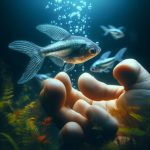

The Complete Guide to Caring for Swordtail Fish in Your Home Aquarium
Introduction:
Swordtail Fish (Xiphophorus hellerii) are renowned for their vibrant colours, distinctive sword-shaped tails, and lively personalities, making them a beloved choice for freshwater aquarium enthusiasts. In this comprehensive guide, we will delve into every aspect of keeping Swordtail Fish, ensuring their health, happiness, and vitality in the comfort of your home aquarium.
Natural Habitat:
Swordtail Fish originate from the freshwater streams and rivers of Central America, primarily found in Mexico, Guatemala, and Honduras. In their native habitat, they thrive in clear, well-oxygenated waters, often surrounded by dense vegetation and ample hiding spots.
Ideal Tank Conditions:
Creating an ideal environment in your home aquarium is essential for the well-being of Swordtail Fish:
– Tank Size: A tank of at least 75 litres (16.5 gallons) is recommended to provide sufficient swimming space and accommodate a small group of Swordtail Fish comfortably. Larger tanks are even better, as they offer more stability in water parameters.
– Water Quality: Maintain excellent water quality with a reliable filtration system and regular water changes to keep ammonia, nitrite, and nitrate levels in check. Aim for a pH level between 7.0 to 8.0 and a water hardness of 10-25 dH.
– Temperature: Keep the water temperature between 22°C to 28°C (72°F to 82°F) to mimic their native tropical habitat. A submersible heater can help maintain a stable temperature.
– Substrate and Decorations: Swordtail Fish appreciate a setup with fine gravel or sand substrate and ample live or artificial plants for hiding and exploration. Driftwood and rocks can also be added to enhance the aesthetics and provide additional shelter.
 Diet and Feeding Habits:
Understanding their dietary preferences is crucial for their well-being
Swordtail Fish are omnivores and readily accept a varied diet:
– Provide them with high-quality flake or pellet food as a staple. Look for fish food formulated for tropical fish.
– Supplement their diet with live or frozen foods such as brine shrimp, bloodworms, and daphnia to ensure a well-rounded nutrition.
Feed them in small portions multiple times a day to prevent overfeeding and maintain water quality. Observe their feeding behaviour and adjust the quantity accordingly.
Size and Growth Rate:
Swordtail Fish are relatively small, with adult sizes ranging from 5 to 10 centimetres (2 to 4 inches). Their moderate size makes them suitable for a wide range of aquarium setups.
Lifespan:
Under proper care, Swordtail Fish can live for an average of 3 to 5 years, with some individuals reaching up to 7 years or more. A well-maintained tank and balanced diet can contribute to their longevity.
Behaviour and Temperament:
Swordtail Fish are known for their peaceful and sociable nature. They are compatible with a variety of other peaceful fish species, making them an excellent choice for community aquariums. However, males can be territorial and may exhibit occasional displays of aggression, particularly toward other males. To mitigate aggression, maintain a higher female-to-male ratio.
Breeding and Reproduction:
Breeding Swordtail Fish in captivity is relatively straightforward:
– Provide a separate breeding tank with ample plants or a breeding box to protect fry from adult fish.
– Maintain a higher water temperature (around 26°C or 78°F) to stimulate breeding.
– Females give birth to live fry, and a single female can produce multiple batches of fry over time. You can identify pregnant females by their rounded abdomen.
Common Health Issues and Care Tips:
Ensuring the health of Swordtail Fish involves regular care and monitoring:
– Keep a close eye on your fish for any signs of disease or stress, such as lethargy, loss of appetite, or abnormal swimming behaviour.
– Quarantine new fish arrivals to prevent the spread of potential illnesses to your existing tank residents.
– Maintain stable water parameters and provide a balanced diet to boost their immune system. Regular water testing kits can help you monitor water quality.
Colour Variations and Morphs:
Swordtail Fish come in a stunning array of colours and variations. Common colour variations include red, orange, yellow, and black, often with distinctive markings. Selective breeding has resulted in numerous exciting colour morphs, adding a delightful visual dimension to your aquarium.
Preferred Lighting Conditions:
Swordtail Fish are adaptable when it comes to lighting conditions. They can thrive under moderate to bright lighting but appreciate some areas of shade or floating plants to provide refuge from direct light.
Water Change and Maintenance Frequency:
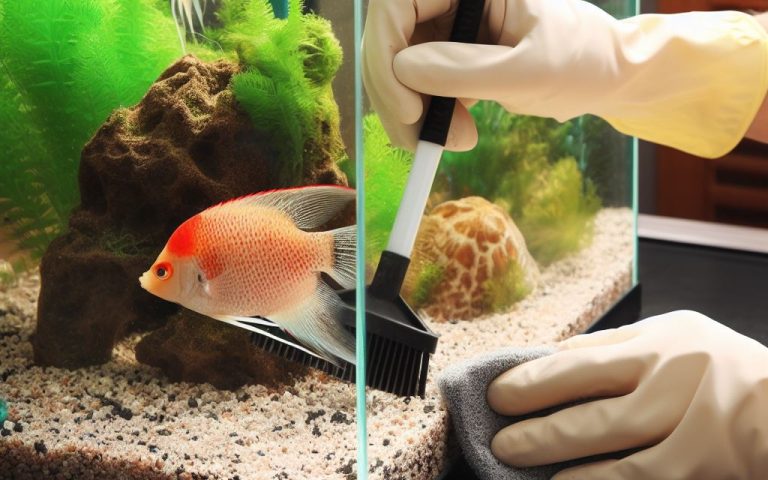
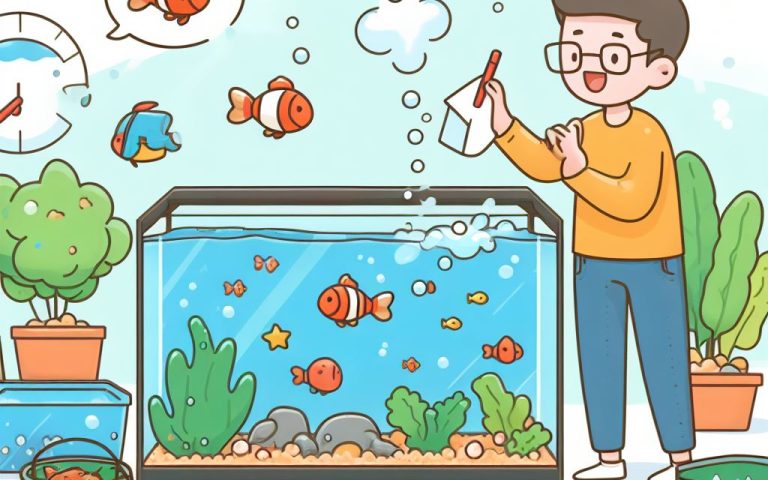
Regular water changes (around 20% every week) are crucial for maintaining water quality. Routine filter maintenance ensures efficient filtration and circulation, reducing the risk of waterborne diseases.
Handling and Acclimatization:
Minimize handling to reduce stress on Swordtail Fish. When introducing new fish to your tank, acclimatize them gradually to prevent shock due to abrupt changes in water parameters. Use a drip acclimation method for new arrivals.
Special Considerations for Juveniles vs. Adults:
Juvenile Swordtail Fish can be housed in smaller tanks, but as they grow, consider providing them with larger accommodations to accommodate their increasing size and social needs. Ensure proper sexing to maintain a harmonious environment, as males may exhibit territorial behaviour towards other males or even females if outnumbered.
Breeding and Reproduction Detailed:
Breeding Swordtail Fish in captivity can be accomplished through various methods:

- Community Tank Breeding: You can breed Swordtail Fish in a well-planted community tank by providing them with ample hiding spots, such as dense plants or floating vegetation. Female Swordtails will give birth to live fry, and you can either leave the fry in the main tank, provided there are sufficient hiding places, or move them to a separate rearing tank to increase their survival rates.
- Breeding Trap or Box: Another method involves using a breeding trap or box placed within the main tank. This separates the pregnant female from the other fish, preventing predation on the fry when they are born. Once the fry are sufficiently developed, you can release them into the main tank.
- Dedicated Breeding Tank: Setting up a separate breeding tank is an effective way to control breeding conditions. Maintain a stable water temperature of around 26°C (78°F) and provide plenty of plants for fry to seek refuge. Transfer pregnant females to the breeding tank, and when they give birth, the fry will have a higher survival rate due to the controlled environment.
Common Health Issues and Care Tips:
While Swordtail Fish are relatively hardy, they can still encounter health issues in captivity. Here are some examples and ways to address them:
- Ich (White Spot Disease): Ich is a common parasitic infection characterised by white spots on the fish’s body and fins. Increase the water temperature slightly (to around 30°C or 86°F) to speed up the parasite’s life cycle and consider using an aquarium salt treatment.
- Fin Rot: This bacterial infection is marked by fraying or disintegration of the fish’s fins. Improve water quality through regular water changes, and consider antibiotic treatment if the condition persists.
- Swim Bladder Disorder: Fish with swim bladder issues may float or sink uncontrollably. Feed your Swordtails a varied diet to prevent constipation, and provide a proper diet and an environment with minimal stress to promote recovery.
- Tail Biting or Nipping: Aggressive or territorial behaviour among males can result in tail biting or nipping. Ensure a balanced male-to-female ratio, and provide plenty of hiding spots to reduce aggression. If injuries occur, treat with a fish-safe antibacterial solution.
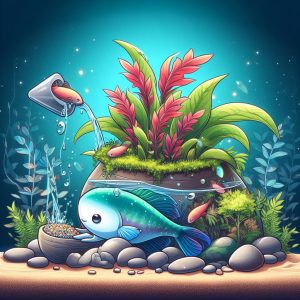
Aquatic Plants in Natural Habitat:
In their natural habitat, Swordtail Fish are often found in waters surrounded by lush vegetation. They seek refuge among submerged plants like Vallisneria, Cabomba, and Echinodorus species. These plants not only provide shelter but also act as natural filtration, contributing to the overall health of the ecosystem.
In your home aquarium, consider incorporating similar plants to replicate their native environment. Swordtail Fish particularly appreciate plants with broad leaves and dense growth, such as Amazon Sword (Echinodorus amazonicus) and Java Fern (Microsorum pteropus). These plants offer hiding spots for fry and enhance the aesthetics of your tank.
In conclusion, Swordtail Fish are captivating and vibrant additions to your home aquarium. By understanding their breeding methods, being aware of potential health issues, and recreating their preferred aquatic plant-rich habitat, you can provide the best care for these beautiful fish, ensuring their well-being and enjoyment in your aquatic world.